
When Floyd Mitchell stepped into his role as Fremont’s next Police Chief, he brought three decades’ worth of experience and a leadership philosophy grounded in three simple principles: listen attentively, be transparent, and show up for your officers and community.
During his tenure as a Kansas City police officer, Mitchell attended local business and community functions. Later, while leading two different police agencies in Texas, he implemented intentional police community engagement opportunities like Burgers with a Badge. As Oakland’s Police Chief, he spent time with residents at town halls and neighborhood events. Mitchell has long believed that these are the moments where trust and relationships are built, which is why he consistently prioritizes active engagement both inside the organization and within the communities he has served throughout his career.
In Fremont, his focus is clear: strengthen internal communication that fosters trust, align priorities to ensure efficient and effective service delivery, and build a Department that’s as strong and connected internally as the community it serves.
Success in these areas means residents are informed and engaged, services are responsive to community needs, and staff are equipped to thrive and contribute to a positive workplace culture.
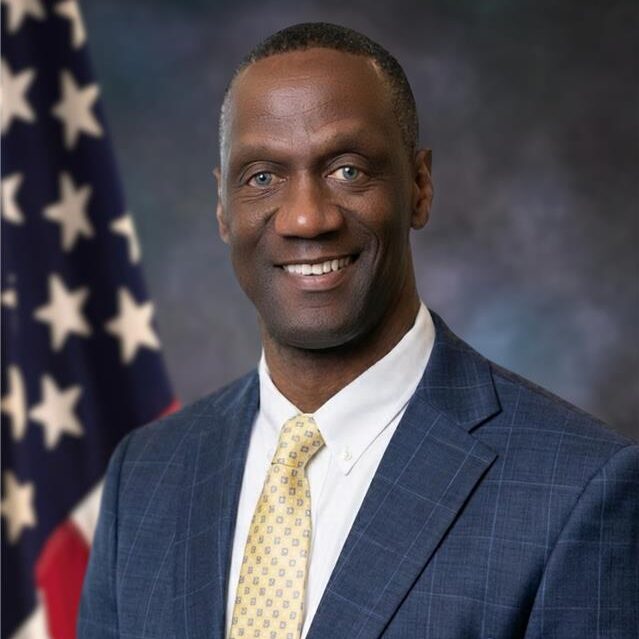
At the center of it all is what he often describes as a servant’s heart; a belief that democratic leadership in public safety is not defined by titles or ranks, but by people who choose to join this profession. He’ll tell you that strong communities start with strong connections and shared goals of what public safety can be.
Read on to learn more about his journey, vision for the Department, and how you might just fit into that picture.
Q:Chief Mitchell, let’s rewind the tape to the beginning. What led you to a career in law enforcement?
I grew up in Kansas City, Missouri. Emphasis on Missouri (not Kansas). People who aren’t from the Midwest mix that up all the time. I joined the military right out of high school and worked as both a police officer and security specialist. That’s where I really developed a passion for public safety.
After my enlistment ended, I left the military and joined the Kansas City Police Department where I spent the next 26 years learning what policing in the community I grew up in really meant to me and the neighborhoods I served. I gained valuable experience and slowly moved through the ranks into executive leadership positions. I retired from Kansas City in 2015 to take on my first police chief position in the state of Texas, a journey that has led me to where I am today.
It’s been a wonderful experience, with many challenges and vast opportunities. What’s kept me in this profession is the people you get to meet and work with and the shared public safety problems that take on many forms and require thoughtful attention. I love working alongside communities and this next generation of public safety professionals to solve real public safety problems. You meet some truly remarkable people in this line of work.
Q: What drew you to Fremont?
When I moved to the Bay Area just over a year and a half ago, I quickly fell in love with it. Through my work with the Alameda County Chiefs and Sheriffs Association, I had the chance to meet and learn from several public safety leaders in the region, including former Chief Sean Washington and Assistant Chief Lance Brede.
The way they spoke about Fremont and the pride they had in the Department and the community really stood out to me. Then, spending time here myself, I quickly grew to love the City. The people here are diverse and engaged, and they genuinely care about public safety. When you look at the Department, you see that officers and professional staff are all proud to work here. That combination made Fremont a place I wanted to be.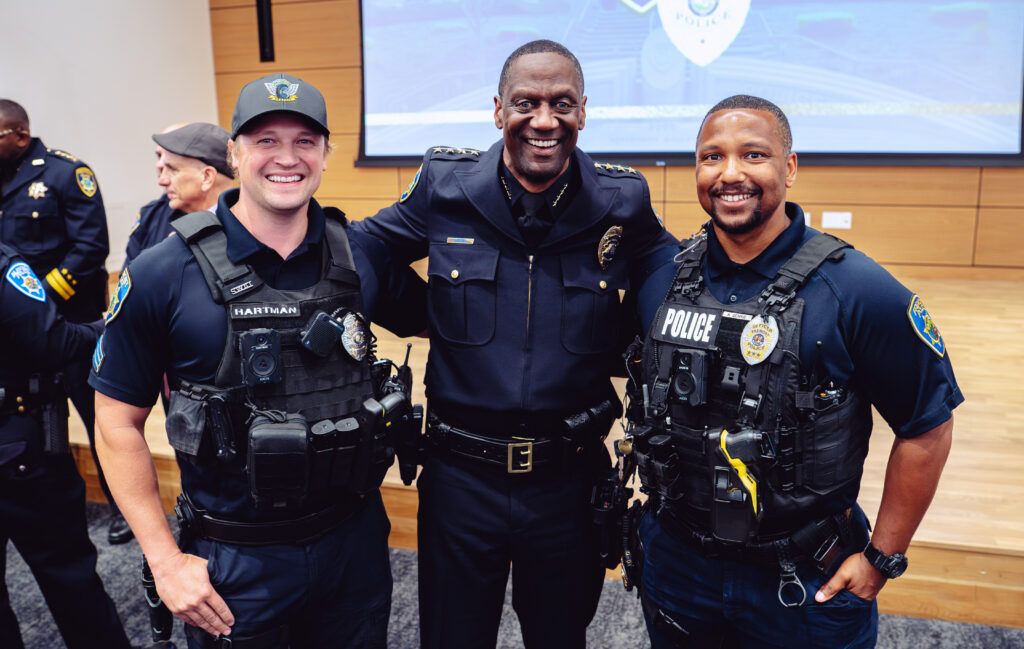
Q: You’ve worked in cities with very different public safety challenges. How does Fremont compare?
One of the things that makes this profession interesting is how every community is unique. In some cities, violent crime is the primary issue. In Fremont, that’s not the case, which allows us to focus more on quality-of-life issues like traffic safety, public health and police-community engagement. As a police agency, it’s important to understand what issues your city is facing in real-time, what issues are important to the community that you serve, and be able to adjust to what matters most locally, regionally, and nationally.
Q: How have you gotten to know the Fremont Police Department?
Listening, first and foremost. I’ve been meeting with people across the organization at every level to understand their perspectives on what’s working, what’s not, and where we can improve.
Making sure people feel heard and that we’re all aligned is a big priority for me. That also means being honest. If I can say yes to something, I will. If I can’t, I’ll explain why (whether it’s a staffing issue, budget constraints, or something else). People appreciate that level of clarity.
At the same time, accountability matters. If something falls outside our policies and procedures, we’ll address it. My approach is to be fair and consistent but also clear about expectations.
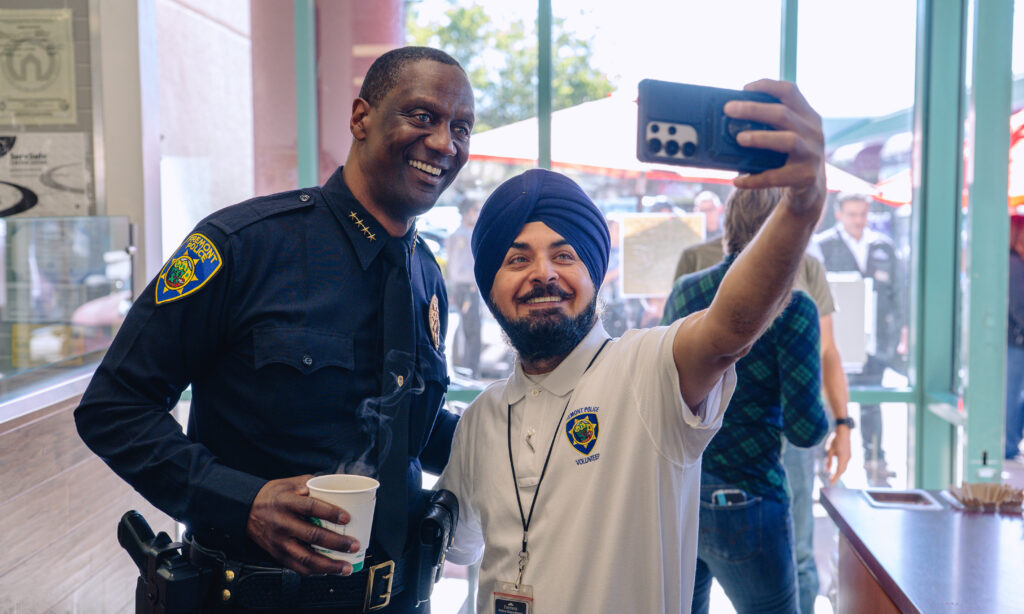
Q: Do you carry that same philosophy into how you support your team?
Absolutely, it’s about prioritizing our people and reminding everyone in the Department that they have a voice. When people feel included and informed, it makes a big difference in how the whole organization operates. And when we take care of ourselves, we’re better equipped to care for our community.
Q: You mention the whole organization, which some folks forget includes non-sworn professional staff. Why is their role so important to the Department?
They’re essential to everything we do. When people think about policing, they focus on sworn officers, but there’s a whole team behind the scenes that keeps the Department and those of us in uniform running. Their contributions are critical to providing exceptional service, and it’s important that we all recognize that.
Q: That word, service, seems central to how you think about this work. How do you define it in your role?
It really comes down to having a servant’s heart. When you look at local city governments, people are here because they care about their community. Whether I talk to fellow Department heads, Councilmembers, or managers, we all want to make Fremont better for the people who live here.
That mindset matters. It shapes how you show up, how you treat people, and how you make decisions. For me, this role is about public safety and service to the community, to the organization, and to the people I work with every day. 
Q: You’re also a numbers guy. What does an evidence-based, data-driven approach to policing look like in Fremont?
It means we actively analyze and follow the data—including crime reports, traffic patterns, and community feedback— to drive our crime prevention and resource deployment priorities, guide our decisions, and ensure our efforts have the greatest impact. This includes identifying and responding to emerging issues, whether it’s a rise in serious traffic incidents, an uptick in burglaries, or concerns about drug-related offenses.
Every community is different, so we focus on what’s most important here. This approach also allows us to prioritize resources where they’re needed most and adapt our strategies to address the unique needs of our community.
Using reliable data to prioritize decisions provides a clear rationale for resource allocation, helping both the community and City leadership understand the reasons behind our choices. By openly sharing the data and insights that inform these decisions, we foster greater trust, transparency, and open communication, encouraging meaningful dialogue and collaboration with our stakeholders.
Q: Your law enforcement career spans over three decades. Nowadays, what motivates you most?
I’m big on leaving things better than you found them, and mentorship is a big part of that. I’ve had a great career and have learned a lot; now it’s about helping develop the next generation of public safety leaders. I’m not just talking about tangible skills, but also about how they lead, interact with their team and the community, and show up every day. If I can help set others up for success, that’s something I take a lot of pride in.
Q: What do you want Fremont residents to know about you as their Chief?
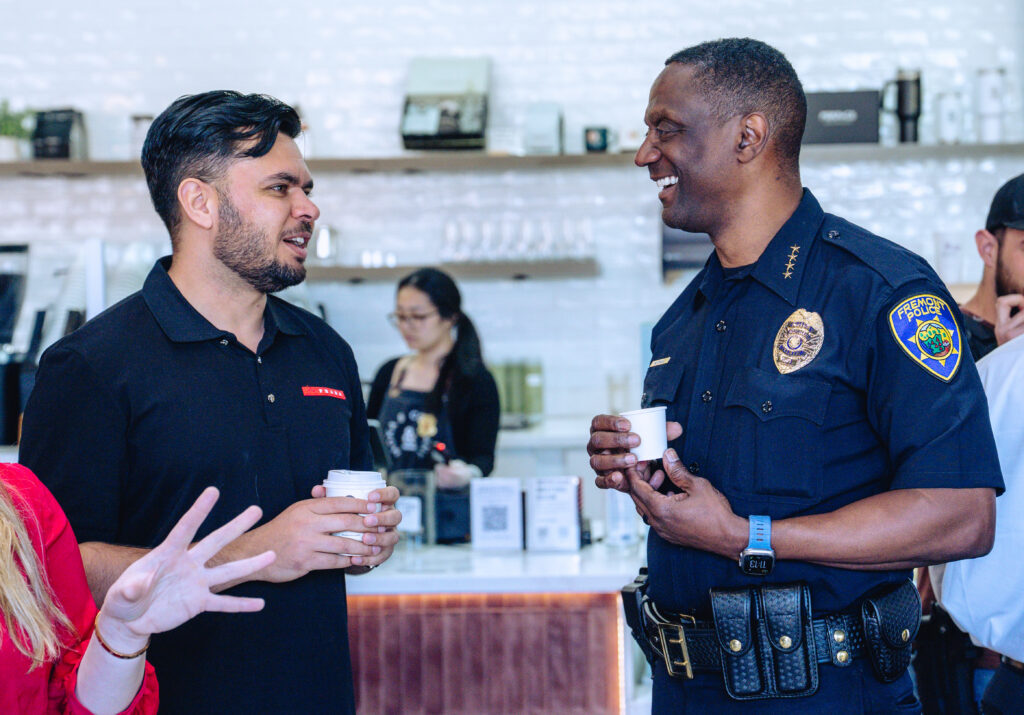
That I’m accessible, approachable, and 100% invested in them. I think it’s important to be part of the community you serve. I live here in Fremont, and that’s intentional. If you see me out in public at the grocery store or walking my dogs at the park, feel free to come and say hello. I’m always open to having a conversation.
Q: Outside of work, how do you like to spend your time?
First and foremost, spending time with my family and friends. I do enjoy a round of golf every now and again, boating and fishing, and just being outside. That’s how I unwind.
Q: Lastly, what would you tell someone who is thinking of pursuing a job with FPD?
A career in law enforcement offers a real sense of purpose through the impact you can have and the relationships you build. It’s hard to match.
You’ll build friendships that last a lifetime. Over the last 35 years, I’ve formed relationships with people who would drop everything to help if I needed it, and I would do the same for them. That kind of bond is hard to find in any other profession.
Here in Fremont, you’re joining a team that cares deeply about this wonderful community and about each other. The people, benefits, flexibility, and care are second to none. This is a great place to build a career; be a part of something special and join our team.